

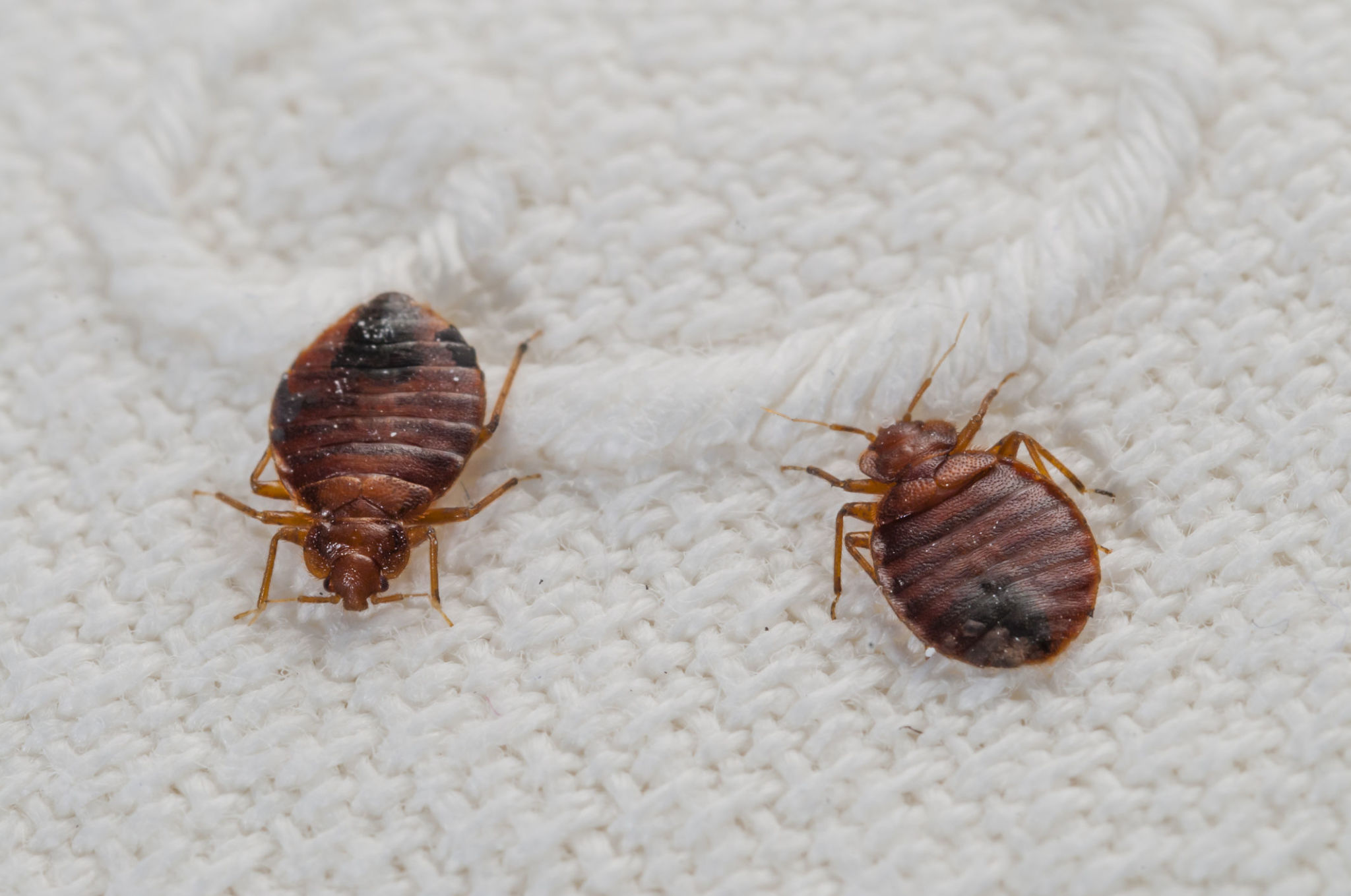
Bed bugs are notorious for their unwelcome presence in homes, hotels, and public spaces. These tiny, blood-sucking insects can cause discomfort and frustration, but are they dangerous? A common question many people ask is whether bed bugs spread diseases. The answer isn’t as straightforward as you might think. While bed bugs aren’t known to be vectors of diseases like mosquitoes or ticks, they can still impact your health and well-being in various ways. So, it is important to seek professional pest control services from Saela Pest Control if you see any signs of bed bug infestation on your property.
Here’s everything you need to know.
Do Bed Bugs Transmit Diseases?
The good news is that bed bugs are not known to spread diseases. Unlike other pests, such as mosquitoes that carry malaria or ticks that transmit Lyme disease, bed bugs haven’t been linked to any direct disease transmission in humans. Research has found no solid evidence of these pests being vectors of harmful pathogens.
However, the absence of disease transmission doesn’t mean bed bugs are harmless. Their presence can lead to indirect health concerns that shouldn’t be ignored.
Health Impacts of Bed Bug Infestations
While bed bugs may not pass on diseases, their bites and infestations can still significantly affect your physical and mental health.
1. Allergic Reactions
When bed bugs feed on your blood, they inject a small amount of saliva, which can cause allergic reactions in some people. These reactions might include redness, swelling, and itching at the site of the bite. While mild for most, in severe cases, individuals may experience hives or develop a more generalized allergic response, requiring medical attention.
2. Skin Irritation
The bites themselves can lead to intense itching, which sometimes results in excessive scratching. Over-scratching can break the skin and create open wounds, increasing the risk of secondary bacterial infections.
3. Sleep Disturbances
Bed bugs are nocturnal, feeding on hosts at night. Knowing these pests are active while you sleep can lead to anxiety and poor sleep quality. Insomnia and sleep deprivation from living with bed bugs can negatively affect your mental health and productivity.
4. Psychological Stress
Dealing with an infestation can feel overwhelming. The constant worry of being bitten, combined with the challenge of eradicating these pests, can cause significant psychological stress. Anxiety, paranoia, and even symptoms of post-traumatic stress disorder (PTSD) have been reported in extreme cases.
How to Prevent and Control Bed Bugs
To protect your home and health, prevention and swift action are key when dealing with bed bugs. Here’s how you can manage the problem effectively:
1. Be Vigilant While Traveling
Inspect hotel beds, mattresses, and furniture for signs of bed bugs, such as tiny black spots or reddish stains. Keep your luggage off the floor and use metal racks when possible.
2. Seal and Clean
Bed bugs can hide in cracks, crevices, and fabrics. Regularly vacuum floors and upholstery, seal mattress seams with protective covers, and wash bed linens frequently using hot water.
3. Avoid Secondhand Furniture
Secondhand furniture can harbor bed bugs. If you do buy used items, inspect them thoroughly and clean them before bringing them into your home.
4. Call a Professional
If you notice signs of bed bugs, small bites on your skin, live insects, or black specks on bedding, it’s wise to call a pest control professional. Experts can assess the problem and apply treatments that ensure effective eradication.
Conclusion
Although bed bugs don’t spread diseases directly, they can still disrupt your life through allergic reactions, skin issues, and psychological or emotional distress. Preventing infestations and addressing them immediately when they occur are essential steps to staying healthy and comfortable. By understanding the health impacts and acting fast, you can keep these unwelcome pests from taking over your home and peace of mind.
