

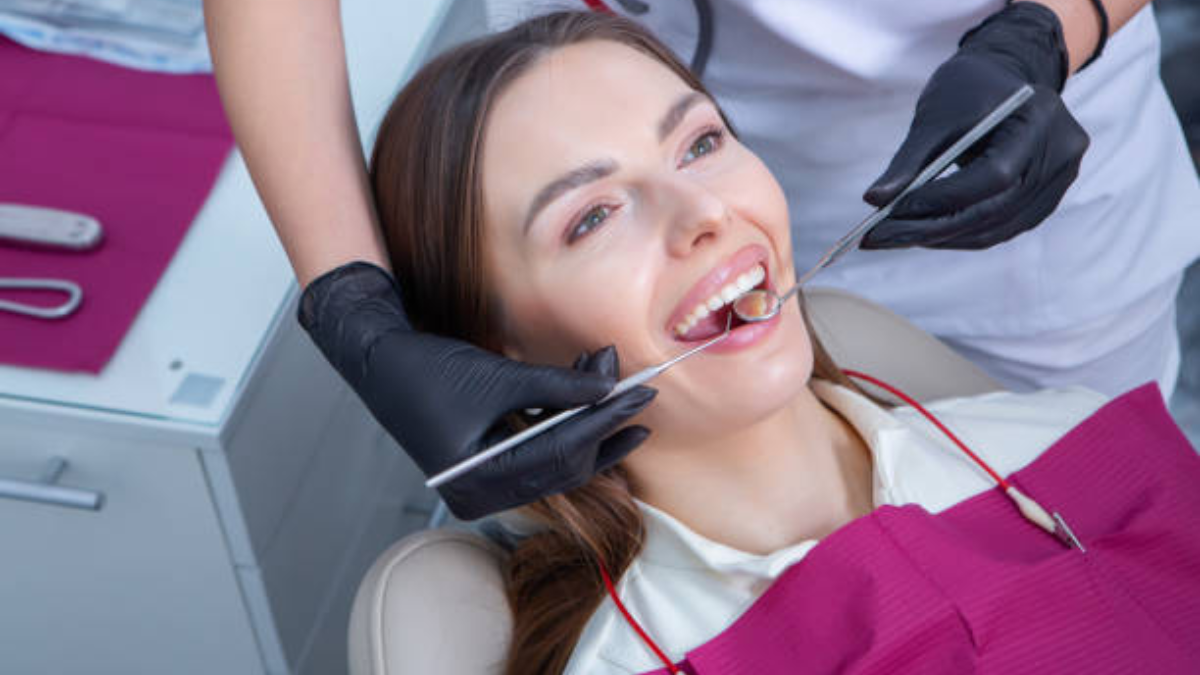
Your family’s teeth carry your story. Everyday habits, small aches, and skipped checkups can grow into pain that stops work, school, and sleep. Preventive dentistry protects you before that happens. It helps you avoid cavities, infections, and tooth loss that can spread stress through your home. Regular cleanings, exams, and simple home care cut the risk of rushed visits to an emergency dentist in Hoffman Estates . Early care also lowers costs. You pay less for a cleaning than for a root canal or an extraction. Children learn steady routines. Adults keep their teeth stronger for longer. Grandparents are able to eat, talk, and smile without fear. When you treat preventive visits as routine family care, you guard your health, your budget, and your peace of mind. This blog explains how preventive dentistry supports every stage of life and why your family cannot afford to ignore it.
How Preventive Dentistry Protects Your Whole Body
Healthy teeth do more than chew food. Your mouth links to your heart, lungs, and blood sugar. When you stop problems early, you lower the risk of serious disease.
Research from the Centers for Disease Control and Prevention (CDC) shows that untreated gum disease is connected to heart disease and poor diabetes control. Bleeding gums are not small. They are a warning sign.
Preventive care focuses on three simple steps.
- Stop plaque before it hardens
- Catch decay while it is small
- Protect gums so they stay firm and do not bleed
When you keep these under control, you help protect your whole body. You miss fewer school days and work days. You sleep with less pain. You eat the foods your body needs.
Key Parts Of Preventive Dentistry For Families
Preventive dentistry is not complex. It is a steady routine that fits into daily life.
- Regular checkups and cleanings
- Fluoride use at home and at the office
- Dental sealants for children
- X-rays when needed to see hidden decay
- Simple diet changes that cut sugar
- Mouthguards for sports
The American Dental Association explains that checkups every six months help find early signs of cavities and gum disease.
Each visit gives you three gains. A deep cleaning. A close look for silent problems. A clear plan for home care until the next visit.
Why Early Care Saves Money And Stress
Tooth problems grow fast. A small cavity that needs a filling today can need a crown or root canal if you wait. That means more cost, more time, and more fear.
The table below shows a simple example. Costs are sample ranges and can change by location. The pattern stays the same. Early care costs less than crisis care.
| Type of visit | Typical reason | Example cost range | Time off school or work |
|---|---|---|---|
| Routine checkup and cleaning | Prevention and early detection | $75 to $200 | About 1 hour |
| Filling for small cavity | Decay caught early | $150 to $300 | About 1 to 2 hours |
| Root canal and crown | Large untreated cavity | $1,000 to $2,500 | Several visits |
| Tooth extraction and replacement | Severe infection or break | $1,500 to $4,000 | Many visits and healing time |
Three facts stand out. Routine care is less costly. Routine care needs less time. Routine care causes less fear and pain. When you plan regular visits, you stay in control instead of waiting for a crisis.
Preventive Dentistry For Children
Childhood is the best time to set habits. Baby teeth hold space for adult teeth. They help speech and eating. They matter.
You can support your child with three simple rules.
- Start brushing as soon as the first tooth appears
- Use fluoride toothpaste in a tiny smear for young children
- Limit sugary snacks and drinks between meals
Dental sealants give extra protection. A thin shield on the chewing surfaces keeps food and germs out of deep grooves. This step cuts the risk of cavities in back teeth, where decay often starts.
Regular visits also reduce fear. When a child knows the office from calm checkups, urgent visits feel less scary.
Preventive Dentistry For Adults
Adult life brings stress, late nights, and rushed meals. Teeth carry the load. Grinding, smoking, and high sugar drinks raisethe risk for decay and gum disease.
Adults protect themselves when they.
- Keep twice yearly cleanings and exams
- Use fluoride toothpaste every day
- Floss or use another cleaner between teeth
- Wear a night guard if they grind teeth
- Quit tobacco products
Pregnancy needs special care. Hormone changes can inflame gums. Regular cleanings and gentle brushing lower the risk of gum disease that can affect both parent and baby.
Preventive Dentistry For Older Adults
Older adults often take medicines that dry the mouth. Dry mouth raises cavity risk. Gums can pull back and expose roots. Arthritis can make brushing hard.
Support for older adults can include.
- More frequent cleanings if gums need extra care
- Fluoride rinses or gels to protect roots
- Adaptive brushes with large handles
- Checks on dentures or bridges for fit and comfort
Strong teeth help older adults eat solid foods, avoid choking on soft starches, and stay social at meals. That protects mood and health.
Simple Home Habits That Make The Difference
Office care works best when you match it at home. Three daily habits shape your oral health.
- Brush twice a day for two minutes with fluoride toothpaste
- Clean between teeth once a day with floss or another tool
- Drink water often, especially after meals and snacks
Then add three weekly choices.
- Plan sweets with meals instead of as constant snacks
- Check your mouth for sores, lumps, or bleeding that does not stop
- Talk with your dentist about any jaw pain or headaches
These steps seem plain. Over months and years, they protect your family from pain, high bills, and fear of the chair.
Making Preventive Care A Family Routine
Strong family care treats dental visits like school checkups or car inspections. They are not special. They are expected.
You can start now.
- Call and book checkups for every family member
- Put the dates on a shared calendar and set reminders
- Keep a small dental kit at home with brushes, floss, and fluoride toothpaste
Each visit is a chance to ask questions, adjust habits, and keep trouble small. When you choose preventive dentistry as part of family care, you protect more than teeth. You protect comfort, confidence, and the simple joy of sharing a meal without pain.
