

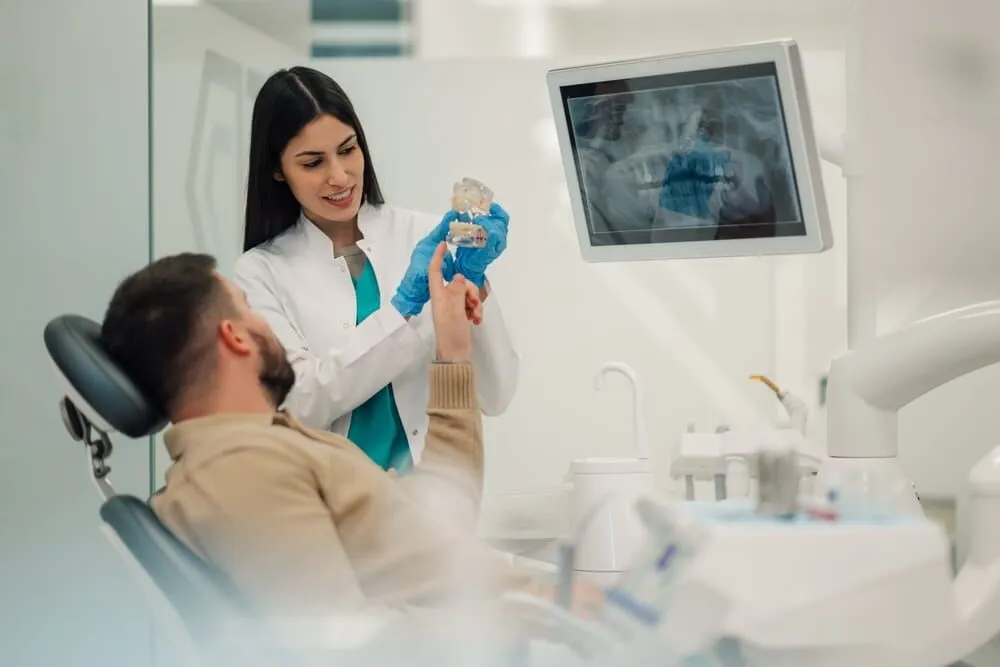
Your smile affects how you eat, speak, and feel about yourself. When your teeth or jaw do not line up, the impact can spread to your whole mouth. You may face tooth wear, jaw pain, or trouble cleaning your teeth. An orthodontist helps correct these problems. Yet true progress often needs a team. General dentists, orthodontists, periodontists, oral surgeons, and other specialists each see different risks and options. Together, they build one clear plan for you. This blog explains how orthodontists support that team. It shows how they guide tooth movement, protect jaw joints, and prepare your mouth for other treatments. It also shares how early planning with an orthodontist in Whittier, CA can prevent avoidable damage. You will see why a team approach gives you safer treatment, fewer surprises, and a smile that feels strong and steady for years.
Why teams matter for your mouth
Your mouth is one system. Teeth, gums, bone, muscles, and joints all affect each other. When one part changes, the others respond. A team helps keep that balance.
Each provider brings one main focus.
- General dentist. Checks tooth decay, fillings, and cleanings.
- Orthodontist. Guides tooth and jaw position.
- Periodontist. Protects gums and bone support.
- Oral surgeon. Handles extractions and jaw surgery.
When they share records and goals, they can time your treatment and avoid conflict. You get steady progress instead of stop-and-start care.
The orthodontist’s core jobs on the team
The orthodontist focuses on how your teeth fit together. That bite affects chewing, speech, and cleaning. It also affects how dental work holds up.
On a team, the orthodontist usually carries three main jobs.
- Align teeth for clean contact and easy brushing.
- Guide jaw growth in children and teens.
- Create space or close gaps for future dental work.
When the bite works, crowns, implants, and fillings face less stress. That means fewer cracks and repairs.
How orthodontists and general dentists work together
Your general dentist often spots early crowding or bite problems. That dentist then refers you for an orthodontic check. The two providers share X-rays, photos, and a clear list of concerns.
Common shared goals include three main points.
- Stop tooth wear from grinding or a poor bite.
- Reduce risk of decay between crowded teeth.
- Protect existing fillings and crowns from heavy forces.
The dentist tracks cavities and gum health during braces or aligners. The orthodontist tracks tooth movement. Together, they adjust your plan if new problems appear.
Working with periodontists and oral surgeons
Gum and bone support set the limits for safe tooth movement. Periodontists treat gum disease and rebuild lost support. They help decide how far teeth can move without harm.
Orthodontists and periodontists often plan together when you have:
- Gum recession near teeth that need straightening.
- Bone loss from long-term gum infection.
- Teeth that drift after tooth loss.
Oral surgeons join when you need extractions or jaw repositioning. The orthodontist lines up teeth so the surgeon can place the jaws. Then the orthodontist fine-tunes the bite after surgery.
Preparing for implants, bridges, and dentures
Missing teeth change how you chew and how your face looks. The restorative dentists and prosthodontists build replacements. They often need orthodontic support first.
The orthodontist can:
- Open space for an implant in the correct spot.
- Close extra gaps to remove the need for a bridge.
- Level the bite, so dentures sit steady.
Without this step, replacements may look off center or fail early. Careful planning protects your time and money.
Common team treatment paths
|
Starting concern |
Key team moff-center> |
Role of orthodontist |
Likely benefit for you |
|---|---|---|---|
|
Crowded teeth with many fillings |
General dentist, orthodontist |
Straightens teeth and balances bite |
Easier cleaning and fewer new cavities |
|
Missing back tooth and drifting teeth |
Orthodontist, implant dentist |
Moves teeth to open correct space |
Stronger implant position and better chewing |
|
Gum disease with loose front teeth |
Periodontist, orthodontist |
Aligns teeth after gum treatment |
Improved bite and less strain on weak teeth |
|
Severe overbite with jaw pain |
Orthodontist, oral surgeon |
Prepares and refines bite around surgery |
More stable jaw comfort and tooth contact |
|
Child with early crowding |
Orthodontist, pediatric dentist |
Guides growth and creates room |
Shorter, simpler treatment as a teen |
Benefits you can feel day to day
A strong team plan can change daily life. You may notice three clear gains.
- Chewing feels smooth. Food breaks down with less effort.
- Speech feels clear. Tongue and teeth work together.
- Cleaning feels simple. Floss and brush reach all sides.
These changes cut the risk of decay, gum disease, and pain. They also protect your body, since mouth health links to heart and blood health.
How to take part in your own team care
You have a voice in every step. Clear questions help the team shape your plan around your life.
You can ask three simple questions.
- Who is on my dental team and what does each person do
- What steps come first, second, and third
- How will each step help me chew, speak, and clean better
Keep one written list of all medicines, health concerns, and past dental work. Share it at each visit. That list helps each provider see the full picture and protect your safety.
Moving forward with confidence
Teeth and jaws affect much more than appearance. When an orthodontist works with other dental specialists, your care becomes clear, steady, and safe. Each move supports the next step. Each step protects your long term health.
You deserve a plan that respects your body and your time. A strong team, guided by an experienced orthodontist, can give you that plan and help you keep your smile working for you every day.
