

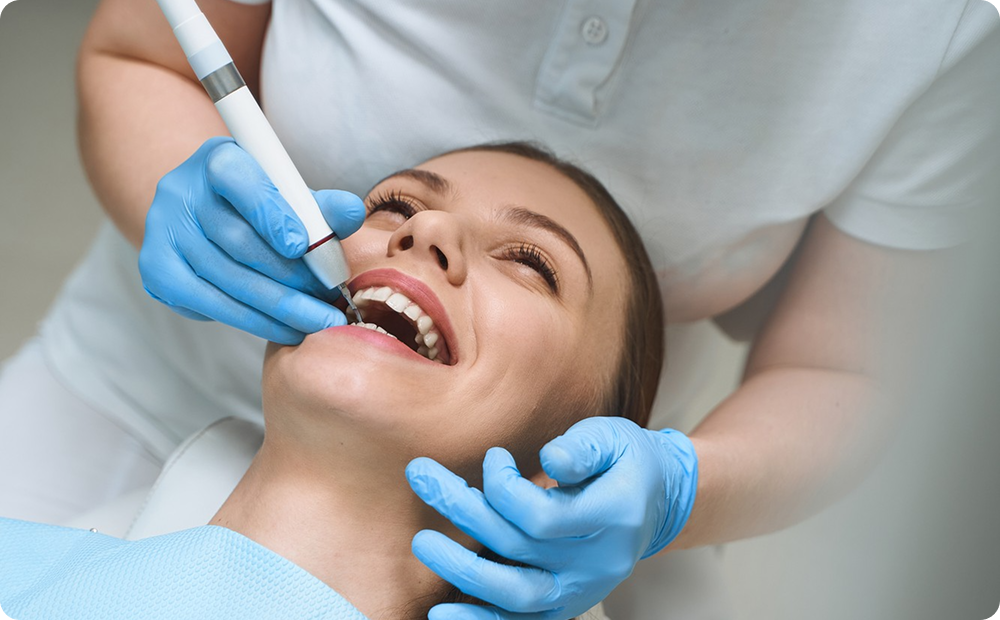
Healthy teeth do not come from dental visits alone. Daily choices shape your mouth, your comfort, and your confidence. You brush and floss, yet small habits still weaken teeth and gums. Sugar, grinding, and skipped cleanings slowly break down the strong parts of your smile. This blog gives you six clear steps you can use right now between checkups. You will see how to clean better, eat smarter, and protect your teeth during sleep and stress. You will also learn when simple care is not enough and when options like dental veneers in Wichita falls might help repair damage. Each tip is direct and practical. No guessing. No complex rules. You deserve a mouth that feels clean, steady, and pain free every day. These steps help you keep control, so your next general dental visit is easier, faster, and less stressful.
1. Brush with purpose, not speed
You likely brush every day. The way you brush still matters more than how often. Quick brushing leaves sticky film on teeth. That film turns into hard buildup and decay.
Use this simple pattern twice each day.
- Brush for 2 full minutes
- Use a soft brush and fluoride paste
- Clean the front, back, and chewing side of every tooth
Always move the brush in short gentle strokes. Next keep the bristles at a slight angle toward the gumline. Hard scrubbing can wear down enamel and cause gum loss. Careful brushing reaches more spots and keeps teeth strong.
2. Floss once a day to reach hidden spaces
Toothbrush bristles cannot clean between teeth. Food and germs sit in those tight spaces. That leads to bleeding gums and deep cavities.
Flossing removes that hidden buildup. You only need to do it once a day. Nighttime works best. Use this pattern.
- Use about 18 inches of floss
- Wrap it around your middle fingers
- Slide gently between teeth and form a C shape around each tooth
Then move the floss up and down a few times. Repeat for every tooth. If string floss feels hard, use floss picks or small brushes. The goal is clean spaces, not perfect technique.
3. Choose drinks and snacks that protect enamel
What you sip and snack on all day has a strong effect on your teeth. Sugar and acid feed the mouth germs. Those germs make acid that eats away enamel.
The table shows common drink choices and how they affect teeth. Data comes from guidance by the Centers for Disease Control and Prevention and dental research on sugar and acid exposure.
|
Drink |
Sugar level |
Acid level |
Effect on teeth |
|---|---|---|---|
|
Water (plain) |
None |
Low |
Rinses food and supports enamel |
|
Fluoridated tap water |
None |
Low |
Helps prevent cavities |
|
Unsweetened milk |
Natural |
Low |
Supports teeth when part of meals |
|
Fruit juice |
High |
High |
Raises risk of enamel loss and decay |
|
Soda or sports drinks |
Very high |
High |
Strong link to cavities |
Choose water most of the time. Next, keep sweet drinks for rare treats. If you drink them, do it with meals. Do not sip all day. That keeps acid on the teeth for hours.
4. Use fluoride to strengthen weak spots
Fluoride helps harden enamel. It can even repair very small early spots before they turn into full cavities. Many towns add fluoride to tap water. You can use toothpaste with fluoride as well.
Follow these steps.
- Use a pea-sized amount of fluoride toothpaste
- Spit out foam after brushing
- Do not rinse with water right away
That short wait keeps fluoride on teeth longer. If you have many cavities, ask your dentist about fluoride varnish or rinses. The National Institute of Dental and Craniofacial Research explains how fluoride protects enamel and lowers decay in children and adults.
5. Guard your teeth from grinding and injury
Teeth face more risk than sugar alone. Night grinding, clenching, and sports hits can crack or wear them down. Many people grind in their sleep without knowing.
Watch for signs.
- Morning jaw tightness
- Flat or chipped edges on teeth
- Headaches near the temples on waking
If you notice these, talk with your dentist. A custom night guard can shield teeth from force. For sports, use a mouth guard during every practice and game. These simple shields prevent breaks, chips, and tooth loss.
6. Know when home care is not enough
Even strong habits cannot fix every problem. You still need regular general dental visits. Cleanings remove hard tartar that brushing cannot shift. Exams catch early decay and gum disease before you feel pain.
Schedule checkups at least twice a year. Go sooner if you notice.
Sometimes teeth need repair, not just cleaning. Fillings, crowns, or cosmetic choices such as veneers can restore worn or stained teeth. Early care costs less time and stress than waiting. Routine care is more effective after treatment because clean, smooth teeth are easier to brush and floss.
Bring it all together
Strong teeth come from three daily actions. You clean well. You choose tooth-friendly food and drink. You protect teeth from grinding and hits. Then you back that up with steady general dental visits.
No habit has to be perfect. Small, consistent steps change your mouth. Start with one change today. Add another each week. Your next visit can feel calmer. Your teeth can feel steady, clean, and ready for every smile and every meal.
