

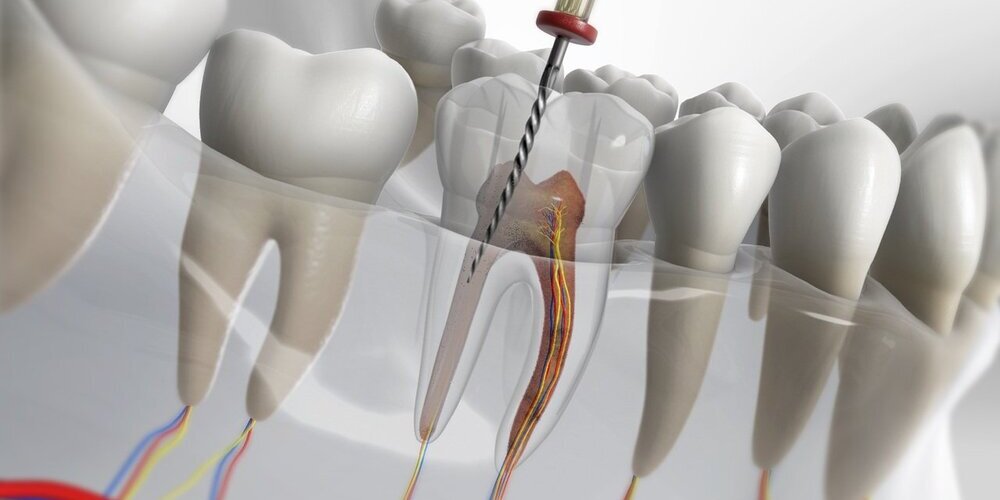
You might think your dental worries end after a root canal. But sometimes, it’s not that simple. Recognizing signs that you may need root canal retreatment is important. Ignoring them can lead to more pain and damage. You may notice persistent pain, which shouldn’t happen after the initial procedure. Another sign is swelling or tenderness that doesn’t go away. If you feel pressure when biting or if your tooth feels loose, these are red flags too. Unpleasant tastes or odors often suggest infection. If you notice any of these, consult a dentist in Clearwater, FL. They can assess the situation and offer solutions. Early action can prevent more serious issues. Understanding these signs empowers you to make informed decisions. Caring for your dental health improves overall well-being. Don’t ignore these warning signs. Your health and comfort depend on timely responses to what your body communicates.
1. Persistent Pain
Pain shouldn’t linger after a root canal. If your tooth still hurts weeks or months later, it’s not normal. This pain can be sharp or dull, constant or occasional. It can interfere with daily activities and sleep. Persistent pain often indicates that some bacteria remain in the canals. These bacteria can cause infection and inflammation. You should not wait for the pain to worsen. Visit a dental professional to get the situation checked.
2. Swelling or Tenderness
Swelling around the treated tooth or jaw area is another sign. It may not be immediately visible but can be felt as tenderness. This swelling can make chewing difficult. You might find it painful to eat or even speak. Swelling often means an underlying infection is present. This infection can spread, affecting neighboring teeth and gums. Early treatment helps prevent further complications.
3. Sensitivity to Pressure
Feeling pressure when you bite down is a common warning sign. The treated tooth should feel like a normal part of your mouth. If it feels different or if biting becomes uncomfortable, don’t ignore it. This sensitivity could mean that the filling or crown is not sitting properly. It might also mean the root canal procedure was incomplete.
4. Loose Tooth
After root canal treatment, your tooth should feel stable. If it feels loose, there could be a problem. A loose tooth might mean that the supporting tissue is damaged. This condition can lead to further tooth loss if not addressed. Reinforcement or retreatment might be needed to provide stability and preserve your tooth.
5. Bad Odor or Taste
Experiencing a bad taste or smell is a clear indicator of infection. This can happen if bacteria are trapped in the treated area. It often signifies that the initial root canal did not clear all the infected tissue. This issue can lead to abscess formation and further complications. Addressing it promptly helps maintain oral health.
Comparison of Common Signs
| Symptom | Possible Cause |
|---|---|
| Persistent Pain | Remaining bacteria in the canal |
| Swelling | Underlying infection |
| Sensitivity to Pressure | Improper filling or incomplete procedure |
| Loose Tooth | Damage to supporting tissue |
| Bad Odor | Trapped bacteria |
Steps to Take
If you recognize any of these signs, seek professional help quickly. A dental expert will perform an assessment and recommend the best course of action. This might involve retreatment or other procedures designed for maximum comfort.
Conclusion
Addressing root canal problems swiftly minimizes discomfort and keeps your smile healthy. Understanding these signs ensures you act in time to prevent further complications. Regular check-ups with a dental professional are important. They help you maintain your dental health and address any arising issues promptly. Remember, your comfort and health come first. Don’t hesitate to consult with a qualified dentist when needed. You deserve a healthy and pain-free life.
