

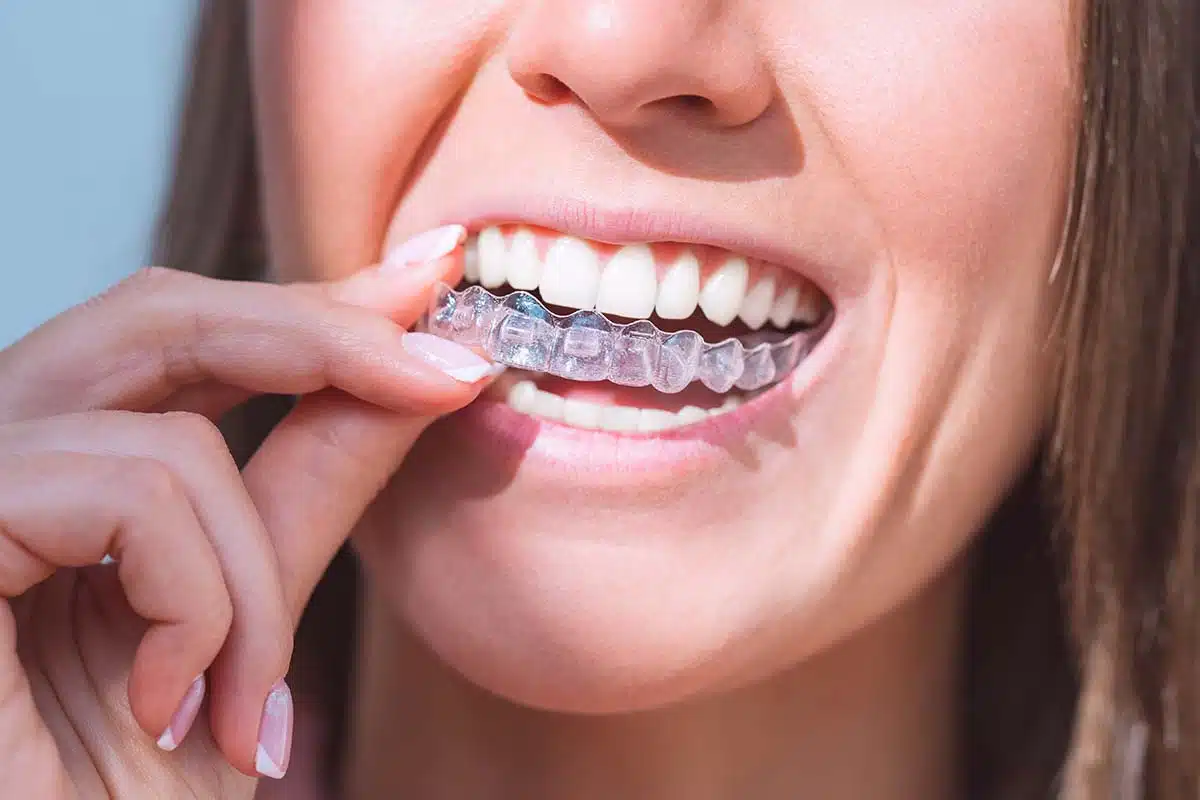
Your teen already juggles school, sports, and a phone that never stops buzzing. Adding a retainer can feel like one more thing that slips through the cracks. Missed wear leads to shifting teeth, pain, and expensive fixes. Some families even end up asking about dental veneers in North Phoenix when simple retainer habits could have protected that smile. This guide gives you five clear ways to make retainer wear part of daily life, not a constant fight. You will see how to tie the retainer to routines your teen already has, use simple reminders, and remove excuses before they start. You will also learn how to handle lost or broken retainers without blame. The goal is steady habits, fewer arguments, and a smile that stays straight for years.
Why Retainer Habits Matter For Teens
Teeth keep moving through life. Braces or aligners only guide that movement. Retainers hold the result.
When your teen skips wearing, teeth can shift in a few months. That shift can undo years of treatment. It can also raise the risk for gum problems and jaw pain. The Centers for Disease Control and Prevention explains that crowded teeth are harder to clean. That can lead to more decay and infections.
Retainer wear protects three things.
- Your teen’s comfort
- Your family’s time
- Your money
The goal is not perfection. The goal is a simple pattern that your teen follows most days without a fight.
1. Attach Retainer Wear To Existing Routines
Habits stick when they attach to something that already happens. Your teen already brushes, eats meals, and goes to bed. Use those anchors.
Try these pairs.
- After brushing at night, the retainer goes in
- After breakfast dishes, the retainer goes in its case
- Right before starting homework, quick check for the case
State the rule in clear words. For example, “No pillow without retainer.” Keep it short. Repeat it. Post it on the bathroom mirror.
At first, you will be reminded often. Over time, the routine will carry your teen. The habit becomes part of sleep and meals, not a separate task.
2. Use Simple Reminders Instead Of Constant Nagging
Teens forget. That is normal. Constant nagging turns the retainer into a power struggle. Use tools instead.
Options include three types.
- Phone tools such as alarms, calendar alerts, or habit apps
- Visual tools such as sticky notes or a small chart on the fridge
- Shared tools such as a family whiteboard or checklist near the door
Agree on one or two tools with your teen. Let your teen set the alarm sound and time. That control can lower pushback.
When the reminder sounds, use a short phrase. For example, “Retainer check” and nothing more. Then walk away. You reduce conflict and keep the focus on the habit.
3. Make Storage Easy In Every Place Your Teen Spends Time
Many retainers vanish in bathrooms, gyms, and lunchrooms. The National Institute of Dental and Craniofacial Research notes that lost appliances can delay treatment and raise the risk for new tooth problems.
Lost retainers often come from three causes.
- Wrapped in napkins and tossed out
- Left on a tray or sink
- Stuffed in a pocket and broken
Plan for those moments. Use this table to compare habits that protect retainers with habits that put them at risk.
|
Situation |
Risky Habit |
Better Habit |
|---|---|---|
|
School lunch |
Wrap retainer in a napkin |
Place retainer in a labeled hard case |
|
Sports practice |
Leave retainer loose in gym bag |
Clip case inside the bag in the same spot |
|
At home snacks |
Set retainer on counter or table |
Use a “home base” case in the kitchen |
|
Sleepovers |
Skip retainer to avoid hassle |
Pack travel case with name and phone number |
Buy more than one case. Keep one at home, one in the backpack, and one in the sports bag. Mark each case with your teen’s name and your phone number.
4. Keep Cleaning Fast And Simple
Many teens avoid the retainer because it feels dirty or smells bad. That problem can change with a short cleaning routine.
Use three steps.
- Rinse the retainer with cool water after taking it out
- Brush it gently once a day with a soft toothbrush and mild soap
- Store it dry in its case, not in a tissue or pocket
Do not use hot water. That can warp the plastic. Do not use strong cleaners. Those can damage the retainer.
Keep a spare soft toothbrush near the sink just for the retainer. That small step removes excuses and keeps the routine short.
5. Respond Calmly To Lost Or Broken Retainers
Even careful teens lose or break retainers. Anger may feel fair. It does not fix the problem. It can also make your teen hide mistakes or stop trying.
Use a clear plan instead.
- Pause and take one breath before you speak
- State the fact without blame, such as “The retainer is gone”
- Call the orthodontist and ask about the next step
Some families set a shared rule about payment. For example, you cover part of the cost, and your teen covers part from work or chores. That can build respect for the retainer without shame.
Ask the orthodontist about a backup retainer or a lower-cost option. Ask also how long your teen can wait before teeth start to move.
How To Keep Your Teen Motivated
Teens respond to meaning. A straight smile helps with more than looks. It supports clear speech and easier cleaning. It can also lower the risk of cavities and gum disease.
Talk about three things.
- How much time and effort has your teen already given to treatment
- How a simple retainer habit protects that work
- How skipping the retainer could lead to more treatment later
Use small rewards for steady effort. For example, extra screen time after a week of consistent wear or a choice of dinner after a month. Tie rewards to patterns, not single nights.
Putting It All Together
Retainer wear does not need drama. You can support your teen with simple systems.
- Link wear to bedtime and meals
- Use alarms and notes instead of arguments
- Place labeled cases in every key spot
- Keep cleaning quick and easy
- Handle problems calmly and with a plan
With these steps, retainer wear becomes one more quiet part of your teen’s day. You guard the smile your family worked hard to build and protect your teen’s future comfort and health.
