

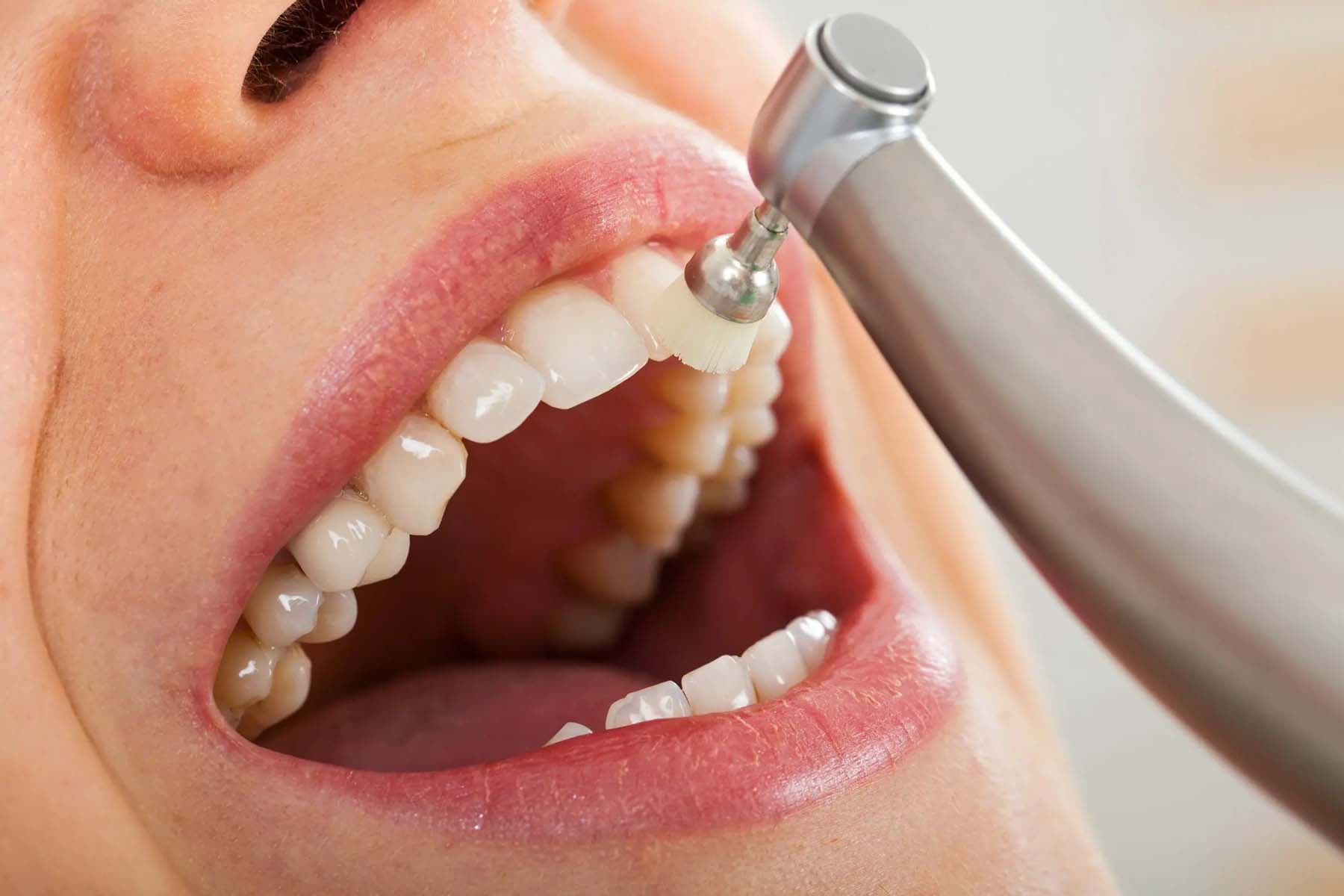
Aggressive periodontitis, a severe and rapidly progressing form of gum disease, poses a significant threat to oral health, leading to tooth loss and compromising overall well-being. Characterized by rapid bone and tissue destruction, this condition affects younger individuals and those with genetic predispositions, often resulting in devastating consequences if left untreated. However, regular dental cleanings offer a powerful tool for preventing and managing aggressive periodontitis. By removing plaque and tartar, reducing inflammation, and promoting optimal oral hygiene, dental cleanings can slow disease progression, improve gum attachment, and enhance oral health-related quality of life.
Experts offering dental practice in Buffalo Grove will explore the causes, symptoms, and treatment options for aggressive periodontitis, highlighting the crucial role of dental cleanings in combating this debilitating condition.
What is aggressive periodontitis?
Aggressive periodontitis is a rare and severe form of periodontal disease characterized by rapid destruction of the periodontal tissues, including the gums, bones, and ligaments that support the teeth. This condition is distinguished from chronic periodontitis by its accelerated progression, often resulting in significant tooth loss and compromise of oral function within a relatively short period, typically in individuals under the age of 30. It is often associated with genetic predisposition, poor oral hygiene, smoking, stress, and certain systemic diseases, such as diabetes and cardiovascular disease.
Classification:
- Localized Aggressive Periodontitis (LAP)
- Generalized Aggressive Periodontitis (GAP)
- Molar-Incisor Pattern Periodontitis (MIP)
Causes
Aggressive periodontitis is caused by a combination of genetic, environmental, and bacterial factors. The primary causes include:
- Genetic predisposition: Family history and inherited traits.
- Bacterial infections: Specific bacteria, such as Aggregatibacter actinomycetemcomitans.
- Poor oral hygiene: Inadequate brushing, flossing, and rinsing.
- Smoking and tobacco use: Increases risk and severity.
- Stress and hormonal changes: Affects immune response and gum health.
- Systemic diseases: Diabetes, cardiovascular disease, and respiratory disease.
- Imbalanced diet: Lack of essential nutrients and vitamins.
Symptoms
- Bleeding gums
- Swollen and tender gums
- Bad breath (halitosis)
- Loose teeth
- Painful chewing
- Receding gums
- Exposed roots
- Redness and inflammation
- Pus between teeth and gums
- Shift in tooth alignment
- Tooth mobility
- Tooth loss
- Bone loss
- Gum recession
- Pocket formation
- Abscesses
- Difficulty swallowing
- Painful mouth sores
- Swollen lymph nodes
- Fever
How do dental cleanings help prevent and treat aggressive periodontitis?
Dental cleanings play a crucial role in preventing and treating aggressive periodontitis by:
Prevention
- Removing plaque and tartar: Reduces bacterial load and prevents inflammation.
- Reducing gingivitis: Prevents progression to periodontitis.
- Promoting good oral hygiene: Educates patients on proper brushing and flossing techniques.
- Identifying early signs: Detects aggressive periodontitis in its early stages.
- Removing risk factors: Eliminates local factors contributing to disease progression.
Treatment
- Deep cleaning (scaling and root planing): Removes plaque, tartar, and bacteria below the gum line.
- Reducing pocket depth: Allows for easier cleaning and reduces bacterial accumulation.
- Smoothing root surfaces: Prevents reinfection and promotes healing.
- Reducing inflammation: Decreases swelling and pain.
- Halting disease progression: Prevents further bone and tissue destruction.
How frequently should you get dental cleanings for aggressive periodontitis?
To effectively manage aggressive periodontitis, regular dental cleanings are crucial. The American Academy of Periodontology recommends the following frequency:
- High-risk patients: Every 3-4 months to maintain optimal oral health and prevent disease progression.
- Moderate-risk patients: Every 6 months to monitor and control disease activity.
- Low-risk patients: Every 12 months for maintenance and preventive care.
Additionally, patients with aggressive periodontitis may require:
- More frequent cleanings during active treatment phases.
- Ongoing maintenance therapy to sustain treatment outcomes.
- Customized cleaning schedules based on individual needs and disease severity.
Final takeaway
Aggressive periodontitis is a severe and rapidly progressing condition requiring prompt attention and regular dental cleanings. By understanding the causes, symptoms, and treatment options, individuals can take proactive steps to prevent and manage this condition. Dental cleanings play a vital role in preventing further damage and promoting optimal oral health. If you suspect you or a loved one may be at risk, consult a dental professional today.
