

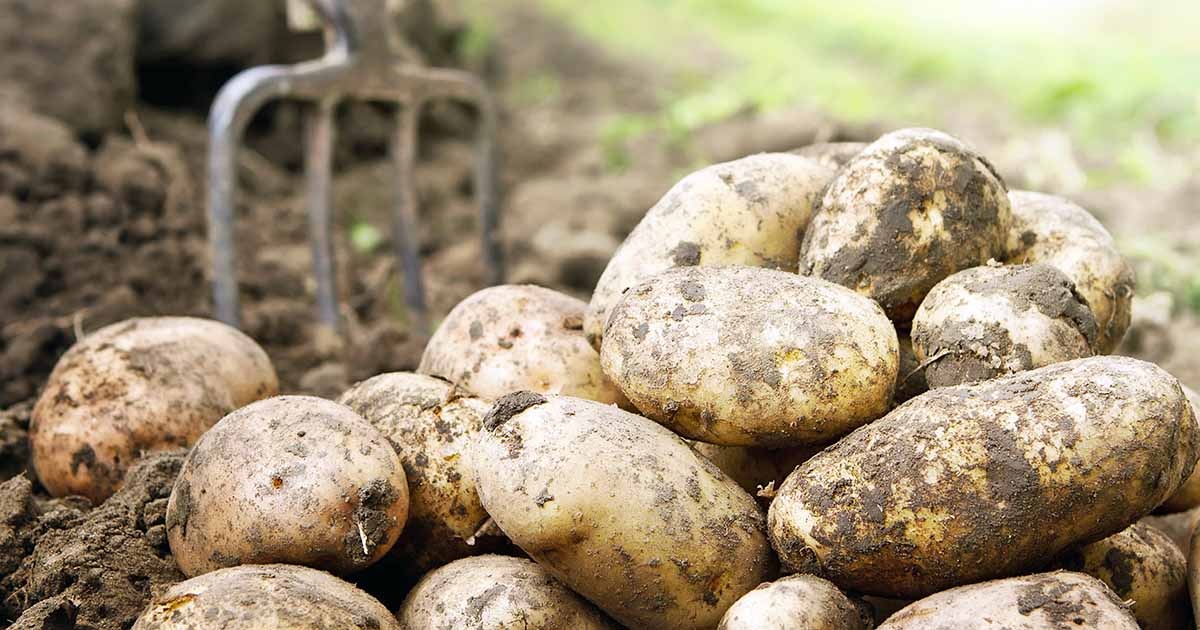
Potatoes, humble tubers that they are, hold a special place in the world’s culinary repertoire. From comforting mashed potatoes to crispy French fries, these versatile vegetables find their way onto plates in countless forms. Yet, beneath their uniform appearance lies a world of diversity, with various potato types offering distinct textures, flavors, and culinary applications. In this comparative study, we delve into the intricate world of potato varieties to uncover the nuances that make each type unique.
Understanding Potato Diversity
With distinct qualities, potatoes are available in an extensive variety of sizes, shapes, and hues. The classic Russet potato, with its rough brown skin and starchy flesh, is a staple in many kitchens, prized for its versatility in dishes like baked potatoes and mashed potatoes. On the other hand, the Yukon Gold potato boasts a buttery flavor and creamy texture, making it ideal for dishes where a velvety consistency is desired.
Texture Matters
One of the key differences among potato types lies in their texture. Some varieties, like the waxy Red Bliss potato, hold their shape well when cooked, making them perfect for salads and roasting. Others, such as the floury Idaho potato, break down easily during cooking, resulting in a fluffy texture ideal for mashing or frying. Understanding the texture of different potato types allows chefs to choose the right variety for the desired dish, ensuring optimal results every time.
Flavor Profiles
Beyond texture, potato types also vary in flavor. While most potatoes have a mild, earthy taste, certain varieties offer subtle differences in flavor profile. Fingerling potatoes, for example, are known for their nutty flavor and buttery texture, making them a favorite for roasting or sautéing. In contrast, ancestral cultivars such as the Purple Peruvian potato impart a vibrant hue to culinary preparations while exhibiting a delicate sweetness reminiscent of chestnuts.
Culinary Applications
The diverse characteristics of potato types lend themselves to a wide range of culinary applications. Waxy potatoes like the New Potato are well-suited for boiling or steaming, making them an excellent choice for potato salads or gratins. In contrast, starchy potatoes exhibit their true potential in preparations that demand a velvety consistency, such as soups or pureed potatoes. By understanding the strengths of each potato type, chefs can elevate their dishes and create memorable culinary experiences for diners.
Regional Variations
Potato cultivation varies across different regions, resulting in a rich tapestry of potato varieties around the world. In South America, where potatoes originated, indigenous varieties like the Purple Majesty potato are prized for their vibrant colors and rich flavors. In Europe, varieties like the Charlotte potato are popular for their firm texture and delicate flavor, perfect for roasting or boiling. Exploring these regional variations allows for a deeper appreciation of the cultural significance of potatoes and their role in global cuisine.
Experimentation In The Kitchen
Armed with knowledge about the diverse characteristics of potato types, chefs can unleash their creativity in the kitchen. Experimenting with different varieties opens up a world of possibilities, from hearty potato soups to crispy potato pancakes. Mixing and matching potato types allows for the creation of unique flavor profiles and textures, adding depth and complexity to dishes. Whether it’s a simple side dish or a gourmet creation, potatoes offer endless opportunities for culinary exploration.
Conclusion
In the world of potatoes, variety truly is the spice of life. Each potato type brings its own set of characteristics to the table, from texture and flavor to culinary applications. By understanding the differences among potato varieties, chefs can elevate their cooking and create dishes that tantalize the taste buds. So the next time you reach for a potato, take a moment to appreciate the diversity that lies beneath the surface, and savor the difference it makes in your culinary creations.
