

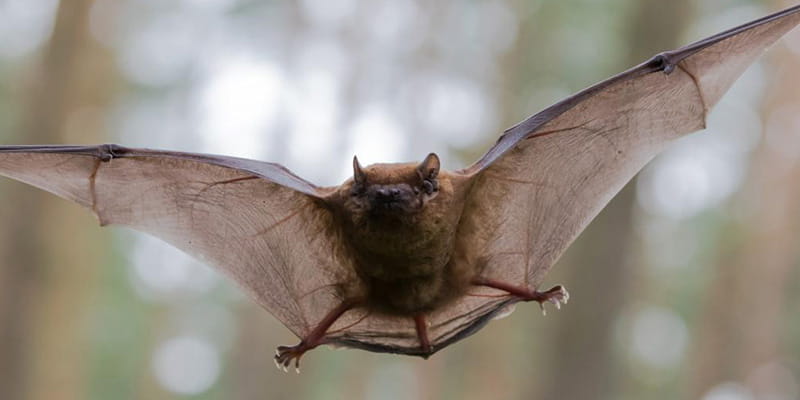
Bats play a vital role in our ecosystem—they pollinate plants, control insect populations, and maintain ecological balance. However, when bats settle in attics, chimneys, or wall voids, their presence can pose serious health risks and cause structural damage. While eviction is necessary, it’s essential to use humane and legally compliant methods that protect both humans and the bats themselves.
Humane bat removal focuses on safe, non-lethal strategies that encourage bats to leave voluntarily while preventing their return. Here’s a detailed look at the proven methods professionals use to remove and exclude bats the right way.
1. Comprehensive Inspection and Identification
Before any removal takes place, a licensed wildlife technician conducts a full property inspection. This involves:
- Identifying bat species (important due to seasonal laws and protected species)
- Locating entry/exit points, often found in vents, soffits, eaves, and gaps
- Assessing the size of the colony and extent of guano contamination
Understanding the species and behavior of the bats is critical to determining the best removal strategy.
2. One-Way Exclusion Devices
The cornerstone of humane bat removal is the use of one-way exclusion devices. These are specially designed tubes or nets installed at the bats’ primary exit points.
How They Work:
- Bats exit the building through the device as they go out to forage
- The device’s shape or flap design prevents re-entry
- All other potential entry points are temporarily sealed during this process
This method allows bats to leave naturally and safely without harming them, complying with conservation guidelines.
3. Timing Matters
In many regions, bats are protected by law, especially during their maternity season (typically May through August), when baby bats are unable to fly. Humane removal cannot occur during this time, as it would trap the young inside and lead to their death.
Professionals schedule exclusion work outside of this window, ensuring the entire colony can leave on its own.
4. Sealing and Bat-Proofing the Structure
Once the bats have exited, all potential entry points are permanently sealed. This step is crucial for long-term prevention and may include:
- Caulking cracks and gaps in siding or brickwork
- Installing vent covers and chimney caps
- Reinforcing soffits, fascia, and roof edges
- Replacing damaged screens or insulation
This process, known as exclusion, ensures bats cannot return to roost in the future.
Midway through the bat removal process, homeowners benefit from expert support like Capital Wildlife bat removal, which combines humane techniques with precise structural repairs and ongoing monitoring. Their certified professionals ensure that bat eviction is handled respectfully, legally, and with minimal disruption to your home and the ecosystem.
5. Guano Clean-Up and Decontamination
Bat droppings (guano) can accumulate quickly and pose serious health risks, including the spread of histoplasmosis—a respiratory disease caused by fungal spores. After bats are removed, professionals:
- Safely remove guano with HEPA-filtered vacuums
- Sanitize affected areas
- Replace contaminated insulation
- Deodorize to eliminate lingering odors
This step restores air quality and prevents future pest attraction.
6. Monitoring and Maintenance
Reputable wildlife services often include follow-up inspections to ensure the exclusion work is holding and that bats have not found new entry points. They may also recommend annual check-ups for older homes or properties near wooded areas or water sources.
Conclusion
Humane bat removal and exclusion is a process rooted in respect for wildlife and adherence to environmental laws. With tools like one-way devices, careful sealing, and thorough decontamination, professionals can safely resolve bat infestations while preserving the important role these creatures play in nature. Trusted services like Capital Wildlife bat removal ensure that the job is done right—protecting your home, your health, and the bats.
