

Your child’s mouth affects the rest of the body more than you might expect. Early dental care does more than protect a smile. It supports breathing, sleep, growth, learning, and confidence. When you care for teeth and gums from the start, you lower the risk of pain, infections, and costly treatment later. You also help your child eat, speak, and rest with less struggle. Many parents only think about cavities. Yet gum swelling, mouth breathing, and jaw growth problems can strain the heart, lungs, and immune system. Early visits help you spot small changes before they turn into big problems. They also give your child calm, steady habits for brushing, flossing, and healthy food. Some families even explore clear aligners Marysville as children grow. Strong oral health supports a strong body. Your child deserves that full protection from the very beginning.
How the Mouth Connects to the Rest of the Body
The mouth is not separate from the body. It is part of one connected system. Germs in the mouth can move into the blood. Swollen gums can affect the immune system. Tooth pain can change how a child eats and sleeps.
You see this connection in three clear ways. First, gum disease raises the load on the immune system. Second, poor chewing affects weight and growth. Third, mouth breathing changes jaw and face growth. Each one shapes long-term health.
The Centers for Disease Control and Prevention explains that untreated cavities can cause pain, infections, and trouble with eating and speaking. These problems can harm school performance and social life.
Why Early Dental Visits Matter
Early visits protect your child in three main ways.
- You find problems early when treatment is easier.
- You learn clear steps to care for teeth at home.
- Your child grows up calm and steady in the dental chair.
Most experts suggest a first visit by age one. You can also time it with the first tooth. The American Academy of Pediatric Dentistry supports this early start. The reason is simple. Early care cuts the risk of severe decay that needs emergency visits or surgery.
During these visits, the dentist checks teeth, gums, tongue, and bite. You hear direct guidance on brushing, fluoride, thumb sucking, and diet. You also have a safe place to ask about mouth breathing, snoring, or jaw clenching.
Whole Body Benefits of Healthy Teeth and Gums
Strong oral health protects much more than a smile. It supports three key parts of your child’s life.
- Body health. Less infection, better growth, fewer missed school days.
- Brain health. Better sleep, clearer focus, less pain during class.
- Emotional health. More comfort speaking, laughing, and joining in.
When your child chews well, the body absorbs nutrients better. When your child sleeps with a clear airway, the brain rests and grows. When your child feels safe about their teeth, they smile and speak without fear.
Daily Habits That Protect Your Child’s Health
Home care shapes your child’s future health. You can focus on three habits.
- Clean. Brush twice a day with fluoride toothpaste. Floss once a day when teeth touch.
- Fuel. Offer water and whole foods. Limit juice, soda, and sticky snacks.
- Check. Look in your child’s mouth each week for spots, swelling, or bleeding.
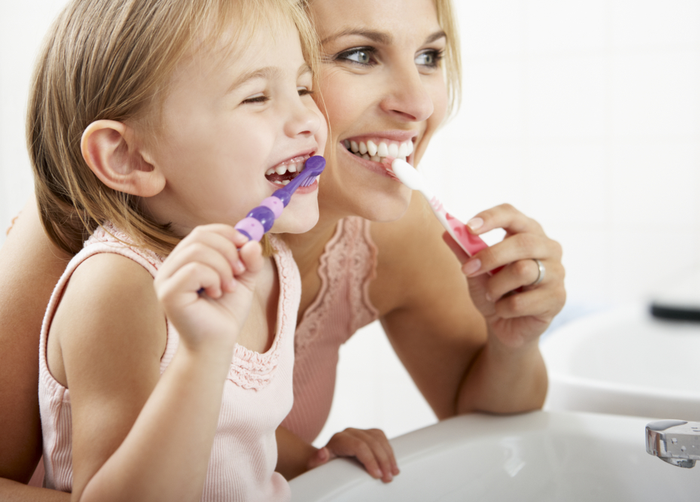
Turn brushing into a short shared routine. You can use a small song, a timer, or a chart. You guide the brush for young children. You also model the same habits with your own teeth. Your calm presence reduces fear and pushback.
Early Orthodontic Checks and Whole Body Health
Jaw growth affects breathing, speech, and posture. Early orthodontic checks can reveal bite problems, crowding, or mouth breathing. Some children may benefit from early treatment that guides jaw growth. Other children may wait until more teeth come in.
The key is not a quick cosmetic change. The goal is a stable bite, easy breathing, and cleanable teeth. Clear aligners or other tools are only one part of this plan. A careful dentist or orthodontist weighs growth, habits, and sleep before any treatment.
Common Problems and How Early Care Helps
|
Problem |
Whole Body Effect |
How Early Care Helps |
|---|---|---|
|
Untreated cavities |
Pain, poor sleep, trouble eating, missed school |
Finds decay early. Uses fluoride and sealants. Teaches home care. |
|
Gum swelling |
Higher germ load. Strain on the immune system. |
Improves brushing and flossing. Treats infection promptly. |
|
Mouth breathing |
Dry mouth, poor sleep, face and jaw changes |
Checks tonsils and nasal issues. Guides to medical care if needed. |
|
Crooked or crowded teeth |
Harder to clean. Higher cavity and gum risk. |
Early orthodontic review. Plans for spacing and growth. |
|
Thumb or pacifier habits |
Changes in bite and jaw growth |
Coaches’ gentle weaning. Monitors bite over time. |
When to Seek Help Right Away
You should contact a dentist quickly if you see any of these signs.
- Brown or white spots on teeth.
- Bleeding gums when brushing or eating.
- Bad breath that stays even after brushing.
- Snoring, gasping, or restless sleep.
- Ongoing mouth or jaw pain.
Fast action can stop pain and protect growth. Do not wait for a routine check if you feel worried. Your concern is enough reason to call.
Early dental care is a strong gift to your child. You protect the mouth. You also support the heart, lungs, brain, and spirit. You do not need perfection. You only need steady steps and regular checks. Your child’s whole body will feel the difference.
