

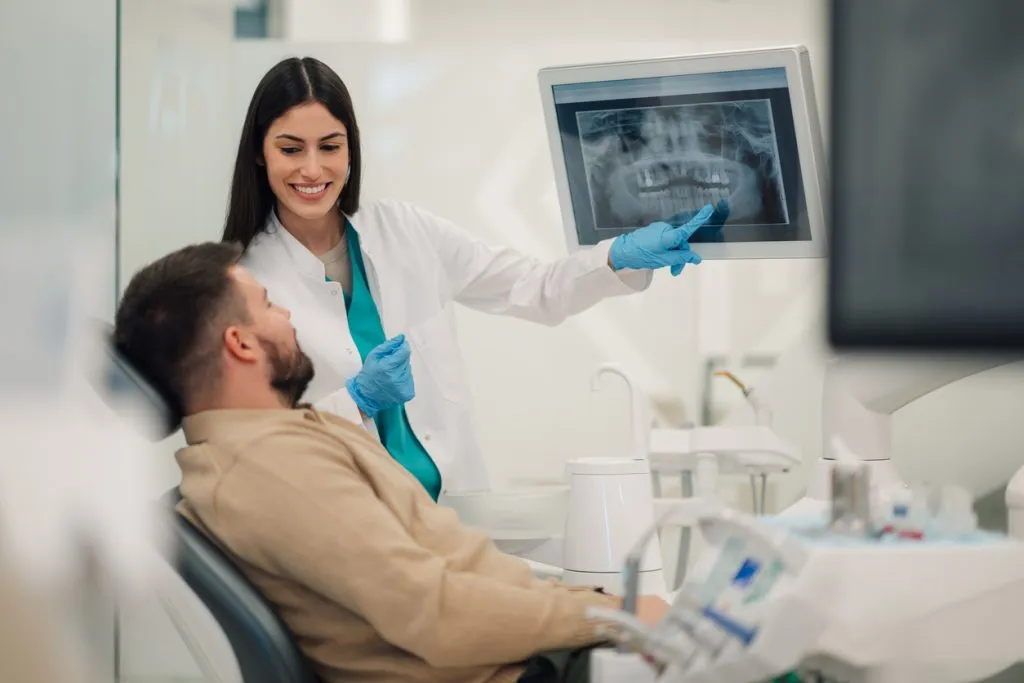
You invested in your smile. Now you need to protect it. Preventive care is the guardrail that keeps your cosmetic work safe from quiet damage and sudden problems. Crowns, veneers, bonding, and whitening all depend on healthy teeth and gums. Without steady care, small issues grow fast. They crack, stain, or loosen what you already paid for. Regular cleanings, home care, and early checkups stop that slow slide. They cut the risk of decay, infection, and painful emergencies. They also help your cosmetic dentist in St. Cloud, MN spot warning signs before they turn into costly repair work. This blog explains why skipping preventive care puts your smile and budget at risk. It also shows simple steps you can take now to keep your teeth strong, your bite stable, and your cosmetic work safe for as long as possible.
How Cosmetic Dentistry Depends On Basic Health
Every cosmetic treatment sits on a base. That base is your natural tooth and gum. If that base fails, the cosmetic work fails too.
Three simple truths guide your care.
- Healthy gums hold cosmetic work in place.
- Strong enamel supports crowns, veneers, and bonding.
- A stable bite prevents chips and fractures.
Gum disease, grinding, and decay eat away at that base. They do it slowly. You may not feel pain until damage is severe. By then, you face repair or full replacement of your cosmetic work. That means more time, more stress, and more cost.
What Happens When You Skip Preventive Visits
Missing routine care lets plaque and tartar build up. That buildup feeds bacteria that cause decay and gum disease. The damage often starts at the edges of veneers, crowns, and fillings where you cannot clean well at home.
Here is what often follows.
- Stains along veneer edges that no whitening can fix
- Decay under crowns that hides until the tooth hurts
- Gum recession that exposes tooth roots and dark margins
Over time, teeth can loosen. Your bite can shift. Cosmetic work that once fit well starts to chip or crack. A small cavity that a dentist could have treated in minutes may turn into a root canal or extraction.
Evidence For Routine Cleanings And Exams
Research from the Centers for Disease Control and Prevention links regular dental care with lower rates of tooth loss and severe gum disease. Regular checkups catch problems before they reach the bone and deep tissue.
Routine cleanings remove hardened tartar that brushing and flossing cannot touch. They also give your dentist a clear view of early changes in your mouth. That view is key when you have cosmetic work that hides tooth surfaces.
Comparing Preventive Care And Repair Costs
Preventive care protects both your health and your wallet. The numbers tell a clear story.
|
Type of Care |
Typical Frequency |
Example Cost Range* |
Impact On Cosmetic Work |
|---|---|---|---|
|
Checkup and cleaning |
Every 6 months |
Low |
Prevents decay and gum disease around veneers and crowns |
|
Fluoride or sealant treatment |
Yearly or as needed |
Low |
Strengthens enamel and protects edges of cosmetic work |
|
Filling for small cavity |
As needed |
Moderate |
Saves tooth under a crown or bonding |
|
Root canal and new crown |
As needed |
High |
Replaces failed crown and treats deep infection |
|
Veneer or crown replacement |
As needed |
High |
Repairs damage from decay, grinding, or fracture |
*Costs vary by clinic and insurance. The pattern is clear. Routine visits stay low. Crisis care climbs fast.
Daily Habits That Protect Cosmetic Work
You control many of the most powerful tools for protection. They sit in your bathroom and kitchen.
Focus on three daily steps.
- Brush twice a day with fluoride toothpaste.
- Clean between teeth once a day with floss or an interdental tool.
- Rinse with water after meals and snacks.
The National Institute of Dental and Craniofacial Research explains that fluoride helps repair weak enamel in its early stages. That protection matters at the edges of veneers and crowns where decay often starts.
Next, look at what you eat and drink. Sugary drinks, frequent snacking, and sticky foods feed bacteria. They create acid that attacks enamel. Dark drinks such as coffee and soda stain surface treatments and natural teeth.
Protecting Against Grinding And Sports Injuries
Many people grind or clench their teeth at night. You may not notice it. Your dentist can spot flat or chipped areas that show grinding. Without protection, grinding can crack veneers, break bonding, and wear down crowns.
A custom night guard spreads pressure across your teeth. It keeps the upper and lower teeth from grinding against each other. That simple device can save thousands of dollars in repairs.
Sports and rough play also risk damage. A mouthguard during contact sports protects teeth, gums, and any cosmetic work. It lowers the chance of chips, fractures, and tooth loss.
When To Call Your Dentist Right Away
Do not wait and hope that a problem will fade. Early calls prevent bigger trouble.
Contact your dentist if you notice any of these signs.
- New pain or pressure when you bite
- Bleeding gums that keep coming back
- Chips or rough edges on veneers, bonding, or crowns
- Sensitivity to hot, cold, or sweet food
- Stains that do not respond to normal cleaning
Quick care can keep a small repair from turning into a full replacement. It also protects the tooth under the cosmetic work from deeper harm.
Putting It All Together For Your Family
Preventive care is not fancy. It is steady, simple, and strong. It keeps your cosmetic work safe. It also protects the teeth and gums that your children still rely on as they grow.
Set a clear routine.
- Schedule checkups every six months and keep them.
- Use fluoride toothpaste for every person in your home who can spit.
- Limit sugary drinks to mealtimes and offer water between meals.
These habits guard the time and money you already put into your smile. They also build a pattern of care your children can follow for life.
You made a strong choice when you improved your smile. Now protect that choice. Give your cosmetic work a healthy base, steady care, and quick attention when something feels wrong. Your future self will be grateful for the calm and confidence that follows.
